Aluminium Framed Caravans: A Comprehensive Exploration
Introduction
Welcome to an in-depth exploration of a versatile and growing segment of the travel and recreational vehicle industry – Aluminium Framed Caravans. This innovative mode of accommodation has been transforming the way people embark on their journeys, offering both comfort and portability. In this article, we will unravel the intricacies of these caravans, examining their design, global impact, economic significance, technological strides, regulatory landscape, and future potential. By the end, readers will gain a comprehensive understanding of why aluminium framed caravans are not just a trend but a pivotal advancement in recreational travel.
Understanding Aluminium Framed Caravans: Unveiling the Basics
Definition:
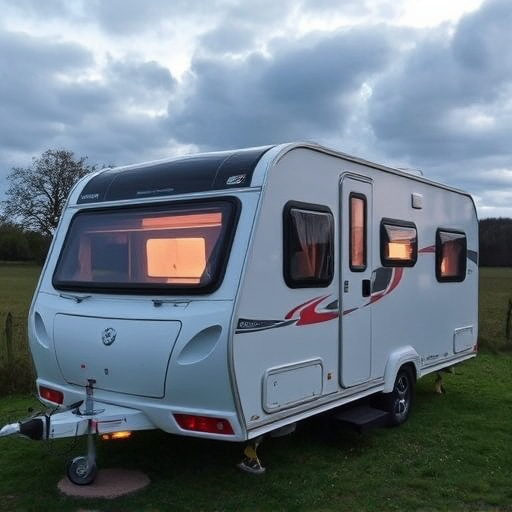
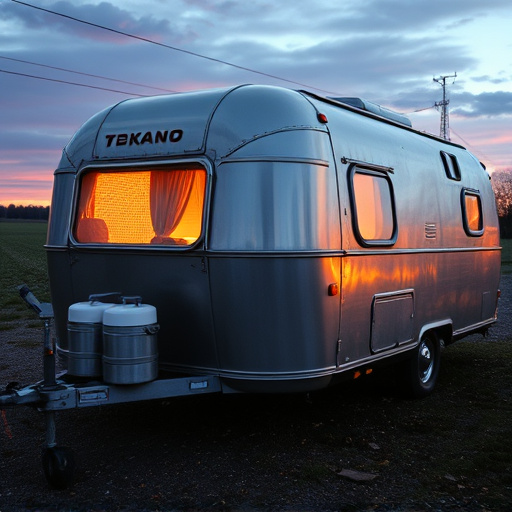
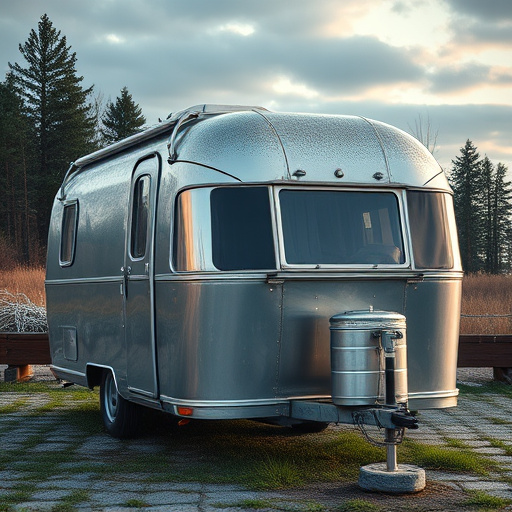
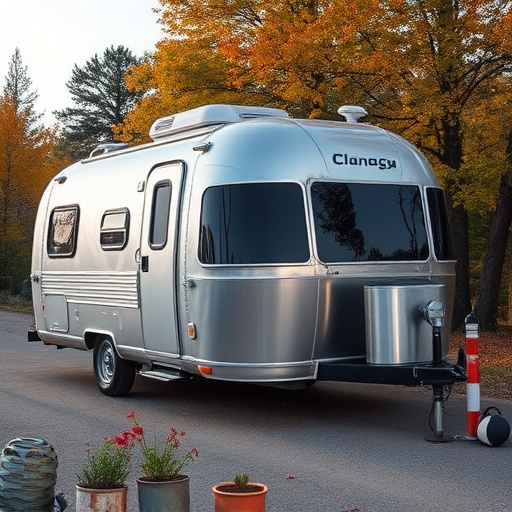
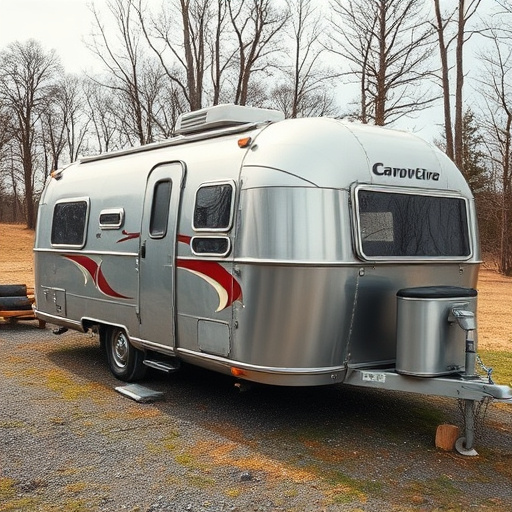
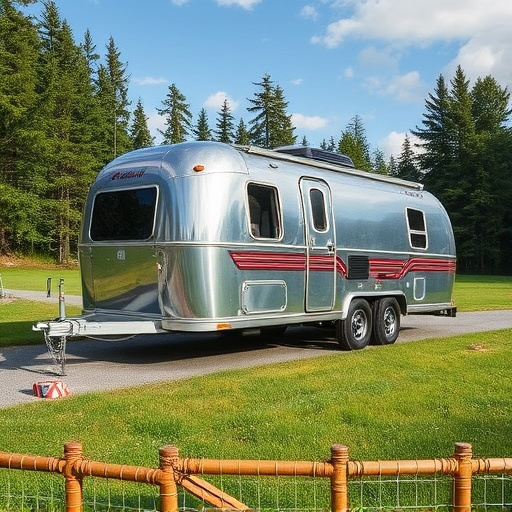
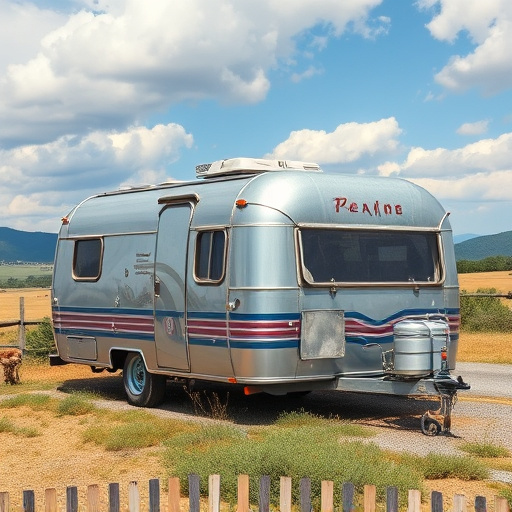
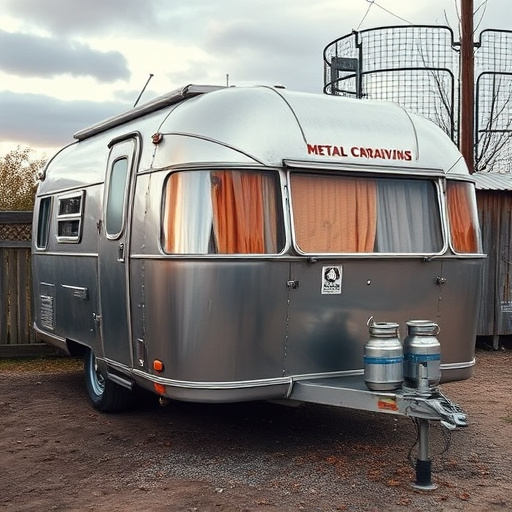
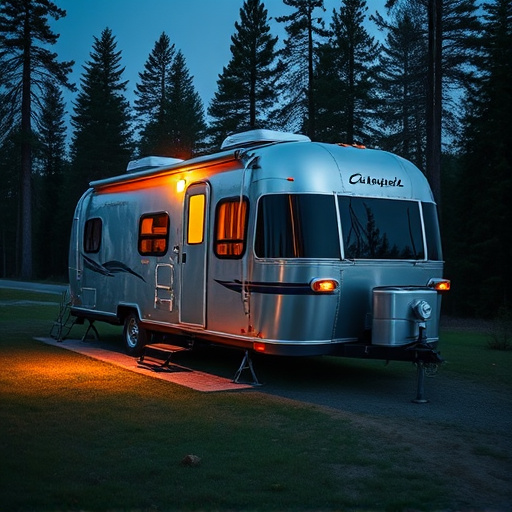
Aluminium framed caravans, often simply referred to as ‘aluminium caravans’, are a type of recreational vehicle (RV) characterized by their lightweight yet robust construction. The frame is primarily made from aluminium, offering superior strength-to-weight ratio compared to traditional steel frames. This design philosophy enables the caravan to be more manoeuvrable, easier to tow, and generally more energy-efficient.
Key Components:
- Aluminium Frame: The structural backbone, typically constructed from high-strength aluminium alloys, which ensures durability and reduces weight.
- Body Panels: These can be made from various materials, including aluminium, fibreglass, or composite panels, adding to the overall strength and insulation properties.
- Tires and Suspension: Sturdy tyres and advanced suspension systems enhance handling and comfort during travel.
- Interior Fitout: Comfortable living spaces with kitchenettes, bedrooms, and bathing facilities, designed to meet modern traveller needs.
Historical Perspective:
The concept of aluminium framed caravans gained traction in the mid-20th century as engineers sought lighter alternatives to traditional caravan designs. Early models faced challenges related to corrosion resistance and structural integrity but significant advancements in aluminium alloys and manufacturing techniques have overcome these hurdles. Today, they are a popular choice for both personal leisure travel and commercial operations due to their versatility, low maintenance, and environmental friendliness.
Global Impact and Trends: A World of Opportunities
International Influence:
Aluminium framed caravans have left an indelible mark on the global travel scene, with significant adoption rates across North America, Europe, and Australia. Their popularity stems from a growing demand for flexible and affordable accommodation options, catering to the diverse needs of travellers, from families on road trips to adventure seekers.
Regional Trends:
- North America: Known for its robust RV industry, the United States leads in aluminium caravan production and adoption, with manufacturers like Airstream and Winnebago setting trends. Canada also showcases a thriving market, with outdoor enthusiasts embracing these caravans for their versatility.
- Europe: Countries like Germany, Italy, and France have witnessed a surge in demand, driven by a culture of road travel and a preference for lightweight, fuel-efficient vehicles. European manufacturers often incorporate innovative features, focusing on energy efficiency and smart design.
- Australia: With its vast landscapes and outdoor lifestyle, Australia has become a significant market for aluminium caravans, with manufacturers tailoring designs to the local climate and terrain.
Market Dynamics:
The global aluminium caravan market exhibits steady growth, driven by:
| Region |
Market Growth (2021-2025) |
Key Factors |
| North America |
7% CAGR |
Strong domestic demand, advancing technology |
| Europe |
6.5% CAGR |
Increasing outdoor tourism, government incentives |
| Asia-Pacific |
8% CAGR |
Rising disposable income, growing RV infrastructure |
Economic Considerations: A Driving Force
Market Size and Growth:
The global recreational vehicle (RV) market, encompassing aluminium caravans, is valued at USD 127.3 billion in 2022, projected to grow at a CAGR of 6.5% from 2023 to 2030. This growth is fuelled by increasing disposable incomes, rising interest in outdoor recreation, and the ongoing digital nomad trend.
Investment Patterns:
- Private Ownership: Many families and individuals invest in aluminium caravans as a form of recreational property, offering flexibility for vacationing and leisure activities.
- Commercial Operations: Camping resorts, tour operators, and adventure companies are major buyers, utilizing these caravans for guest accommodation, contributing significantly to the economy.
- Rental Market: With the rise of peer-to-peer rental platforms, aluminium caravans are becoming popular short-term rental assets, providing additional income opportunities.
Economic Impact:
- Employment: The RV industry supports numerous jobs, from manufacturing and sales to service and maintenance, contributing to local economies.
- Tourism Boost: Aluminium caravans encourage exploration and outdoor tourism, fostering economic growth in regional areas.
- Infrastructure Development: Growing demand has led to the development of dedicated RV parks, campgrounds, and supporting infrastructure.
Technological Advancements: Pushing Boundaries
Innovation Highlights:
- Lightweight Materials: Continuous research focuses on utilising advanced composite materials and lightweight alloys to further reduce weight, improve fuel efficiency, and enhance manoeuvrability.
- Smart Features: Incorporation of smart technology for improved comfort and safety, such as automated lighting systems, touch-screen controls for climate control, and integrated security features.
- Solar Integration: Many modern aluminium caravans are equipped with solar panels, providing off-grid energy solutions and reducing reliance on conventional power sources.
- Autonomous Systems: Some cutting-edge models explore autonomous driving capabilities, promising a future where caravans can navigate routes independently, revolutionising road trips.
Impact and Future Potential:
Technological advancements in aluminium caravans have led to:
- Increased Efficiency: Improved fuel efficiency, reduced emissions, and lower operating costs make them an eco-friendly choice.
- Enhanced Comfort: Modern amenities and smart features elevate the travel experience, attracting a wider customer base.
- Off-Grid Capabilities: Solar integration allows for more independent exploration, appealing to those seeking remote adventures.
- Future Trends: Autonomous systems and connected technology could redefine caravan travel, offering unparalleled convenience and freedom.
Policy and Regulation: Navigating the Legal Landscape
Key Considerations:
- Safety Standards: All regions have safety regulations governing RV manufacturing, including fire safety, structural integrity, and electrical systems. These standards ensure the overall safety of travellers.
- Roadworthiness: Licensing and registration requirements vary by country/region, ensuring caravans meet specific road safety criteria before being permitted on public roads.
- Environmental Compliance: As eco-friendly vehicles, aluminium caravans are subject to environmental regulations, particularly regarding emissions and waste management.
- Insurance: Specialized insurance policies cater to the unique needs of RV owners, covering potential risks during travel and accommodation.
Regional Variations:
Different countries have varying levels of regulation:
| Region |
Major Regulatory Body |
Key Focus Areas |
| USA |
National Highway Traffic Safety Administration (NHTSA) |
Crashworthiness, emission standards |
| EU |
European Committee for Standardization (CEN) |
Safety, environmental impact |
| Australia |
Australian Competition and Consumer Commission (ACCC) |
Product safety, consumer protection |
Challenges and Criticisms: Overcoming Obstacles
Common Issues:
- Initial Cost: Aluminium caravans can be more expensive upfront compared to traditional models, which may deter some potential buyers.
- Maintenance Concerns: Despite advancements, maintenance requirements, particularly for electrical and water systems, need to be addressed to ensure long-term reliability.
- Limited Storage Space: The compact design offers flexibility but may not cater to those requiring extensive storage capabilities.
Strategies for Improvement:
- Financing Options: Offering flexible financing plans can make aluminium caravans more accessible to a broader market segment.
- Maintenance Education: Providing comprehensive owner manuals and training sessions can empower users to perform basic maintenance tasks, reducing long-term costs.
- Modular Designs: Future models could incorporate modular features, allowing buyers to personalise interior layouts to suit diverse needs.
Case Studies: Real-World Success Stories
Case 1: Family Adventure in Australia
A family of four from Sydney purchased an aluminium caravan for their annual camping trips across the Australian Outback. The lightweight design made towing a breeze, and the spacious interior allowed them to comfortably accommodate their activities, including hiking, wildlife spotting, and stargazing. They appreciated the caravan’s off-grid capabilities, relying on solar power during their remote excursions.
Lessons Learned:
- Aluminium caravans cater to modern family lifestyles, offering flexibility and comfort for outdoor adventures.
- Solar integration enables sustainable exploration, appealing to eco-conscious travellers.
Case 2: Commercial Camping Resort
A popular camping resort in the Swiss Alps invested in a fleet of aluminium caravans to enhance guest accommodation. These caravans provided well-insulated, comfortable spaces, attracting both families and outdoor enthusiasts. The resort reported increased satisfaction rates and repeat bookings due to the unique and modern accommodation option.
Key Takeaways:
- Aluminium caravans can elevate the overall camping experience, appealing to a wider customer base.
- Commercial applications showcase their versatility, catering to diverse traveller preferences.
Future Prospects: Looking Ahead
Emerging Trends:
- Hybrid Designs: Future models may incorporate hybrid systems, combining aluminium frames with composite or fibreglass bodies for enhanced structural integrity and insulation.
- Smart Home Integration: Advanced smart home technology could become standard, allowing users to control climate, lighting, and security remotely before and during their trips.
- Off-Grid Innovation: Continued development in solar panels, batteries, and energy storage systems will further empower off-grid capabilities.
Growth Areas:
- Luxury Market: Premium aluminium caravans with high-end finishes and advanced amenities are expected to grow, catering to the affluent traveller segment.
- Urban Camping: With urbanisation increasing, ‘caravan living’ in cities could become a trend, offering alternative accommodation options for digital nomads and remote workers.
- Global Expansion: Emerging markets, particularly in Asia and South America, present significant growth opportunities as outdoor recreation gains popularity.
Strategic Considerations:
- Manufacturers should focus on sustainability, exploring eco-friendly materials and practices to appeal to environmentally conscious consumers.
- Customisation options and modular designs will empower buyers to personalise their caravans for specific needs.
- Technological partnerships with smart home providers can enhance the digital experience for owners.
Conclusion: A Journey Towards the Future of Travel
Aluminium framed caravans have embarked on a remarkable journey, evolving from niche products to mainstream travel essentials. Their lightweight design, advanced technology, and versatility have captivated travellers worldwide, fostering a sense of freedom and adventure. As we look ahead, the future promises even more exciting possibilities with technological advancements, innovative designs, and expanding global markets.
These caravans are not just vehicles; they represent a lifestyle, an invitation to explore and embrace the unknown. With their growing popularity and continuous development, aluminium framed caravans are set to play a pivotal role in shaping the travel industry for years to come.
FAQ: Answering Common Queries
Q: Are aluminium caravans more expensive than traditional models?
A: While initial costs may be higher, aluminium caravans offer long-term savings due to reduced fuel consumption and maintenance requirements. Financing options make them accessible to a wider range of buyers.
Q: How do I maintain an aluminium caravan?
A: Regular cleaning and inspection are key. Simple maintenance tasks like lubricating hinges and checking water systems can be done by owners. Professional servicing ensures the caravan remains in optimal condition.
Q: Can I use my aluminium caravan for full-time living?
A: Absolutely! Many modern aluminium caravans are designed with comfortable living spaces, including kitchens and bathrooms. However, off-grid capabilities and storage space should be considered for long-term living arrangements.
Q: Are there any environmental benefits to choosing an aluminium caravan?
A: Yes, aluminium caravans are more environmentally friendly due to their lightweight design, which reduces fuel consumption and emissions. Solar integration takes sustainability to the next level, allowing for independent exploration with minimal environmental impact.
Aluminium framed caravans are a popular choice for modern vacationers due to their lightweight construction, superior durability, rust resistance, and fuel efficiency compared to steel-framed models. They offer easier manoeuvring, improved handl…….
Continue Reading
Vacationer caravans have become popular for affordable and versatile travel, offering kitchens, living areas, and bathrooms in a compact, lightweight aluminium frame construction. This design enhances durability, saves on fuel, and allows for cr…….
Continue Reading
Vacationer caravans with lightweight aluminium frames are popular for their accessibility, comfort, and exploration capabilities. They offer versatile living spaces, easy manoeuvrability, durability, and weather resistance. When choosing a carav…….
Continue Reading
Vacationer Caravans are a leading choice for travelers seeking both adventure and comfort. Crafted with modern materials like aluminium, these versatile vehicles offer spacious interiors, state-of-the-art entertainment systems, and premium ameni…….
Continue Reading
Vacationer introduces a revolutionary line of aluminium framed caravans, offering a modern and durable travel experience. These innovative carriages boast lightweight yet robust aluminium frames, enhancing manoeuvrability and comfort for adventu…….
Continue Reading
Aluminium framed caravans are gaining popularity for their modern design, superior strength-to-weight ratio, and customizable features. They offer spacious, weatherproof structures that require less maintenance than steel alternatives. With exce…….
Continue Reading
Vacationer Caravans is a leading manufacturer of durable and reliable aluminium frame caravans, catering to both weekend adventurers and full-time travelers. Their superior quality and innovative designs offer lightweight yet robust construction…….
Continue Reading
Aluminium framed caravans are gaining popularity among long-distance travellers due to their key advantages: lightweight construction for better fuel efficiency and handling, superior durability and corrosion resistance, and excellent heat insul…….
Continue Reading
Vacationer Caravans are industry leaders in crafting top-quality, durable caravans for modern adventurers. Their distinctive feature is the robust yet lightweight aluminium frame construction, ensuring superior performance and easy manoeuvrabili…….
Continue Reading
Vacationer Caravans are popular for outdoor exploration, offering comfort and modern amenities. When buying one, consider both online platforms (vast options, convenient filtering, accessibility) and traditional stores (hands-on experience, test…….
Continue Reading
Vacationer caravans are gaining popularity among outdoor enthusiasts due to their versatile design, compact size, and lightweight aluminum frame, offering comfort and portability for families or solo adventurers. The durable construction ensures…….
Continue Reading
Aluminium framed caravans offer a modern travel experience combining durability, manoeuvrability, and style. Their robust design, superior aluminium quality, and efficient towing make them popular among families and adventurers. These caravans p…….
Continue Reading
The growing popularity of aluminium framed caravans is transforming travel with numerous advantages. These caravans offer lightweight towing, superior durability and corrosion resistance, energy efficiency due to reflective properties, and low m…….
Continue Reading
Vacationer caravans are portable, comfortable travel options for road adventurers. Buyers can choose between online or in-store purchases, each with pros and cons. Key considerations include budget, size, travel plans, and brand reputation. Popu…….
Continue Reading
Vacationer Caravans are revolutionizing modern caravan travel with their innovative aluminium-framed designs. Their lightweight yet durable frames offer superior manoeuvrability on various terrains, while their focus on style, functionality, an…….
Continue Reading
Modern vacationer caravans have evolved significantly, incorporating contemporary design trends that prioritize functionality, comfort, and aesthetics. Key features include lightweight yet strong aluminium structures for better maneuverability a…….
Continue Reading
Vacationer caravans with aluminium frame construction offer a popular, affordable, and portable option for exploring new places. Their durable yet lightweight design enhances towing ease and structural integrity, making them a top choice for tra…….
Continue Reading
Aluminium framed caravans are renowned for their durability, strength, and lightweight construction, making them ideal for frequent travellers seeking reliable accommodation. With corrosion-resistant aluminium, advanced engineering for weight di…….
Continue Reading
Aluminium framed caravans are modern, durable, and lightweight vehicles that revolutionize camping experiences. Crafted from advanced alloys, they offer exceptional robustness and portability, enhancing manoeuvrability and fuel efficiency. Their…….
Continue Reading